


Global Tourism in the Modern World

Global Tourism in the Modern World – How Travel Shapes Economies, Cultures, and the Future
Tourism is more than just packing bags and booking flights. It is one of the world’s most powerful industries, connecting continents, cultures, and communities in ways no other sector can. From luxury beach resorts in the Maldives to backpacker trails in South America, global tourism touches almost every corner of the planet. It shapes how countries grow, how people interact, and even how technology evolves.
In today’s fast-paced world, travel is no longer a privilege for the few. With budget airlines, online booking platforms, and social media inspiration, tourism has become a lifestyle choice. People no longer just travel to relax; they travel to learn, heal, work remotely, find adventure, and sometimes even find themselves.
Let’s explore how global tourism has evolved, why it matters so much, and where it is heading in the coming years.
The Evolution of Tourism Through History
Tourism did not begin with airplanes or hotels. Long before modern transport, people traveled for trade, education, religion, and exploration. Ancient civilizations such as the Romans built roads, inns, and bathhouses to support travelers. Pilgrimages to Mecca, Jerusalem, and Varanasi were early examples of organized travel.
The industrial revolution changed everything. Railways connected cities, steamships crossed oceans, and tourism became accessible to the middle class. By the late 19th century, tour operators began organizing package holidays, turning travel into a commercial product.
Fast forward to the 21st century, and tourism is now powered by smartphones, AI, and global connectivity. Booking a hotel is easier than ordering a pizza. This transformation has turned the world into a truly global village.
Why Tourism Is Vital for the World Economy
Tourism is one of the largest employers in the world. It supports airlines, hotels, restaurants, travel agencies, taxi drivers, tour guides, photographers, and thousands of small businesses.
In many developing countries, tourism is a lifeline. It creates foreign income, strengthens local economies, and reduces unemployment. A small guesthouse in a rural village can support an entire family, while a well-managed resort can uplift an entire community.
But tourism is not only about money. It promotes peace by bringing people from different backgrounds together. A traveler who experiences local hospitality rarely forgets it. That emotional connection often breaks stereotypes and builds lifelong respect.
Different Types of Tourism That Are Shaping the Industry
Tourism is no longer one-size-fits-all. People travel for different reasons, and this has created multiple tourism niches.
Leisure Tourism
This is the most common type. Beach holidays, family vacations, cruises, and city tours fall under this category. It focuses on relaxation and entertainment.
Adventure Tourism
This is for thrill-seekers. Trekking in the Himalayas, diving in the Great Barrier Reef, or zip-lining through rainforests – adventure tourism is growing rapidly, especially among young travelers.
Eco Tourism
Eco tourism promotes responsible travel to natural areas. It focuses on conservation, education, and sustainability. Staying in eco-lodges and participating in wildlife conservation projects are examples.
Medical Tourism
People now travel abroad for surgeries, dental treatments, and wellness retreats. Countries like India, Thailand, and Sri Lanka are becoming medical tourism hubs due to affordable and high-quality healthcare.
Cultural Tourism
This includes visiting heritage sites, museums, festivals, and religious landmarks. It helps preserve traditions and promote national identity.
Top Tourism Regions in the World
Europe
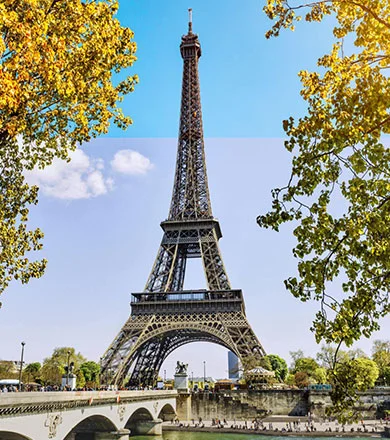
Europe is the world’s most visited region. France, Italy, Spain, and the UK attract millions of tourists each year with their rich history, iconic landmarks, and diverse cuisine.
Asia
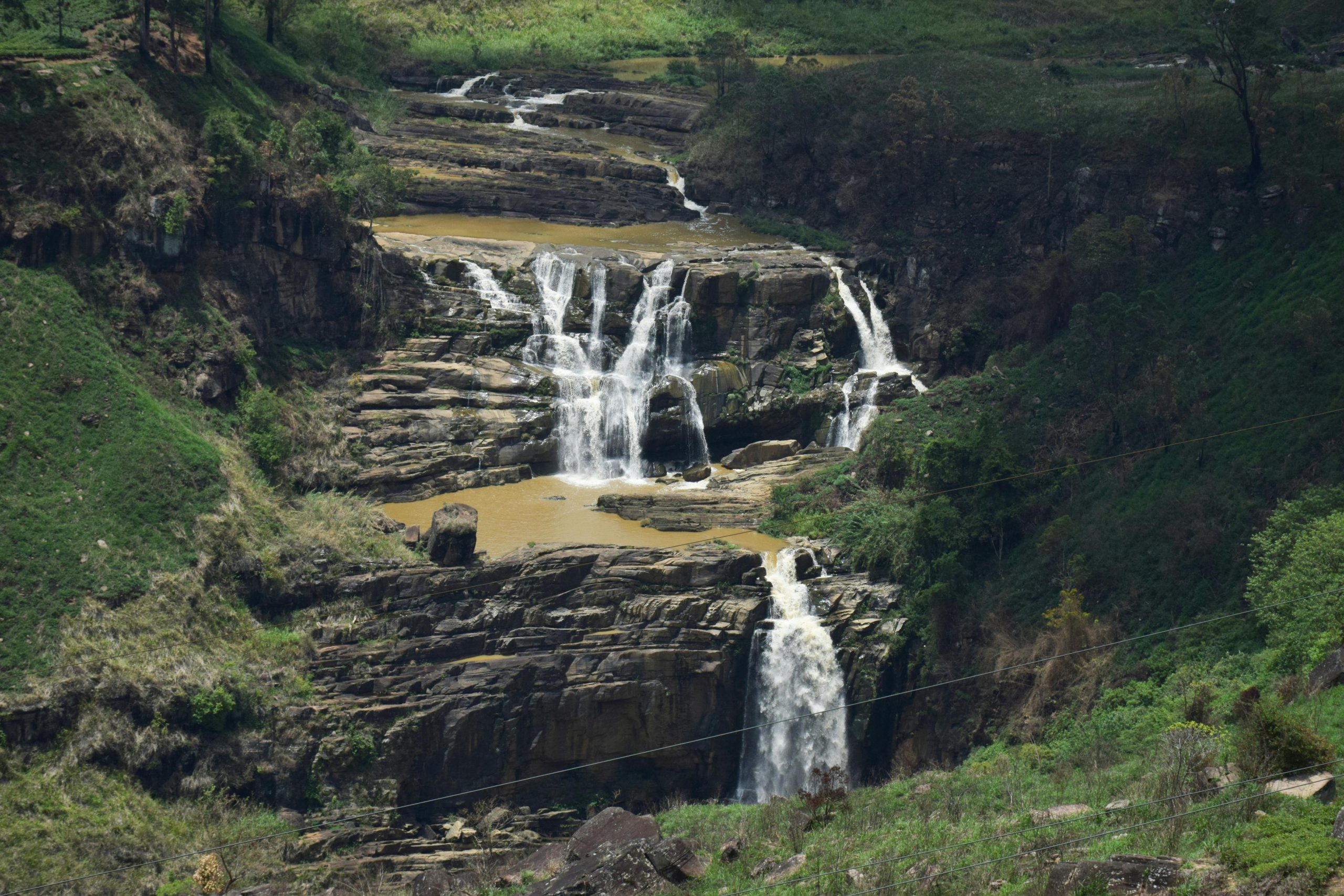
Asia is the fastest-growing tourism market. Thailand, Japan, China, India, and Sri Lanka offer everything from ancient temples to futuristic cities. Affordable travel and cultural diversity make Asia irresistible.
The Americas
The United States, Mexico, Brazil, and Canada dominate tourism in this region. Theme parks, national parks, and urban tourism drive massive visitor numbers.
Africa and the Middle East
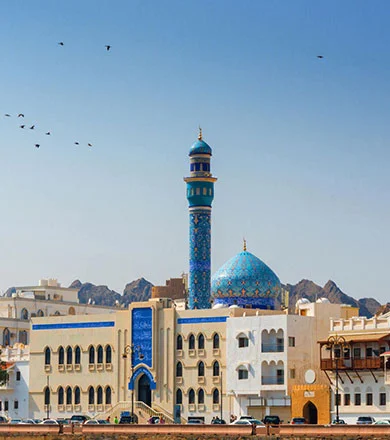
Safari tourism in Kenya, luxury travel in Dubai, and historical tourism in Egypt are attracting high-end travelers looking for unique experiences.
How Technology Is Transforming Tourism
Technology is the silent engine behind modern tourism. Travelers now rely on:
- Online booking platforms like Booking.com and Airbnb
- Digital travel guides and GPS navigation
- AI-powered chatbots for customer support
- Virtual reality previews of destinations
- Social media for travel inspiration
Tourism is now data-driven. Hotels adjust prices using AI, airlines track passenger behavior, and tourism boards analyze travel trends in real-time.
The Rise of Sustainable and Responsible Tourism
Tourism has a dark side – pollution, overcrowding, and environmental damage. That’s why sustainable tourism is becoming essential.
Travelers are now choosing eco-friendly hotels, avoiding plastic, and supporting local businesses. Many destinations are introducing visitor limits, green certifications, and conservation fees to protect their heritage.
Sustainable tourism is no longer a trend; it is a responsibility.
Major Challenges Facing Global Tourism
Despite its success, tourism faces serious challenges.
- Over-tourism damages popular destinations like Venice and Bali.
- Climate change threatens island nations and wildlife reserves.
- Political instability and pandemics can shut down travel overnight.
- Lack of skilled workers reduces service quality.
These challenges remind us that tourism must be managed wisely to remain beneficial.
What the Future Holds for Global Tourism
The future of tourism will be smart, personalized, and sustainable. Imagine booking a holiday where AI designs your itinerary based on your mood. Or using facial recognition to check into hotels. Even space tourism is becoming a reality.
Remote work is also changing travel habits. Digital nomads now live and work across countries, creating a new form of long-term tourism.
Tourism will not disappear. It will evolve, adapt, and continue to connect the world in exciting ways.
Conclusion
Tourism is not just an industry; it is a global movement that shapes cultures, economies, and personal lives. It creates jobs, bridges cultures, and teaches us that despite our differences, we all share the same planet.
As we travel more, we must travel better – respecting people, protecting nature, and preserving heritage. The future of tourism depends on the choices we make today.
FAQs
1. Why is global tourism important?
It boosts economies, creates jobs, and promotes cultural understanding.
2. What is sustainable tourism?
It is responsible travel that protects the environment and supports local communities.
3. Which region attracts the most tourists?
Europe remains the most visited region globally.
4. How has technology changed tourism?
It has made travel planning easier, faster, and more personalized.
5. What will tourism look like in the future?
Expect smart travel, eco-friendly destinations, and AI-powered experiences.

 Contact Us